
Transport
Spain by Bus, Train or Plane: Which Wins on Each Route
Spain has the best high-speed rail in Europe and the cheapest long-distance buses, and the right choice flips depending on the specific leg.
August 15, 2026🇪🇺 MadridComparison
Spain has the best high-speed rail in Europe and the cheapest long-distance buses, and the right choice flips depending on the specific leg.

Morocco's north is well connected by cheap trains and its south is not, which is where budgets go wrong on the desert excursion.
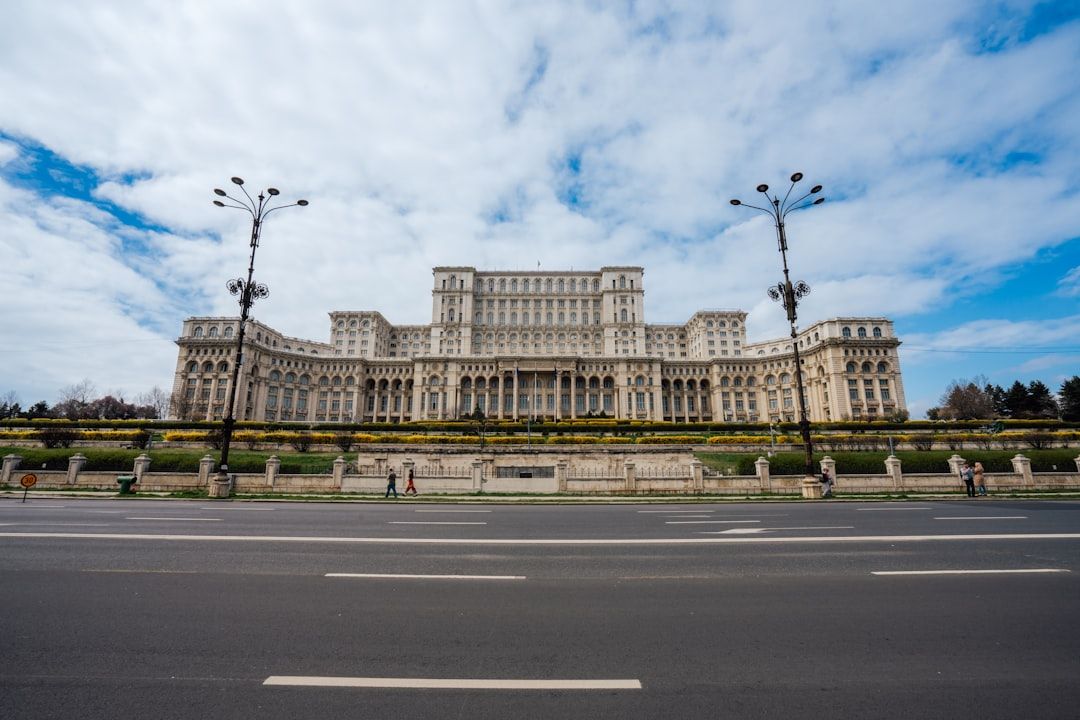
Romania is cheap, large and slow to cross, which makes a Transylvania-only route far better value than trying to see the whole country.

Most people pick the cities first and then discover the budget. Reversing that — letting the price map shape the route — buys weeks of extra travel for the same money.

Cheap is not one number. A country can have $8 rooms and $400 flights, and the ones worth going to are where daily costs and getting there are both low.

India's rail network is the cheapest serious long-distance transport anywhere, and its booking system defeats most first-time visitors. The rules are learnable in an afternoon.

Vietnam is a long thin country with one main transport corridor, which makes the route almost obvious — and makes the choice between sleeper bus and train the real decision.

Indonesia's islands are cheap to stay on and expensive to move between, and the budget lives or dies on how many boat days you accidentally book.

Two weeks in Europe for under €800 excluding flights is achievable, but only on one specific corridor and only outside July and August.

Every euro goes roughly twice as far in Naples as in Venice, which makes the north-south choice the biggest budget decision in Italy.
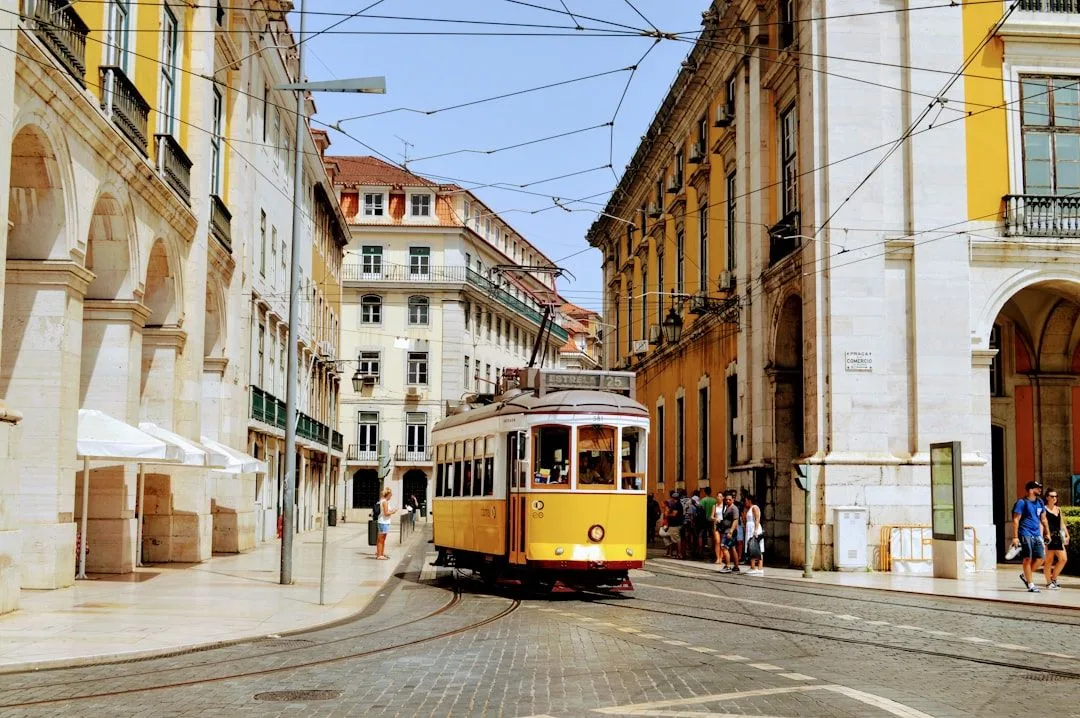
Portugal's trains cover the spine of the country cheaply, and the only place a budget trip needs a car is the Alentejo.

Thirty dollars a day is comfortable in the north and impossible on Phuket in January, and the gap between regions is wider than most people budget for.