Routing Europe Cheaply: Building a Trip Around the Price Map
Most people pick the cities first and then discover the budget. Reversing that — letting the price map shape the route — buys weeks of extra travel for the same money.
Budget Routes Editorial
August 15, 2026 · 4 min read
Key takeaways
- Two travellers with the same budget can get very different trips out of it depending on one decision: whether the route was built around the places or around the price map.
- Building around the price map is not a compromise, because the cheap parts of Europe are not the boring parts.
- The most common expensive mistake is a route that hops between Western capitals — Paris, then Berlin, then Barcelona, then Amsterdam.
- Pick two adjacent countries in a cheap tier and go deep rather than five countries across three tiers and go shallow.
Two travellers with the same budget can get very different trips out of it depending on one decision: whether the route was built around the places or around the price map. Building around the price map is not a compromise, because the cheap parts of Europe are not the boring parts.
Build corridors, not zigzags
The most common expensive mistake is a route that hops between Western capitals — Paris, then Berlin, then Barcelona, then Amsterdam. Every leg is a long-distance journey, every stop is in the top price tier, and the transport bill alone can equal a fortnight in the Balkans.
A corridor route moves consistently in one direction through adjacent countries. Legs stay short and cheap, and you cross fewer price tiers.
The Balkan corridor
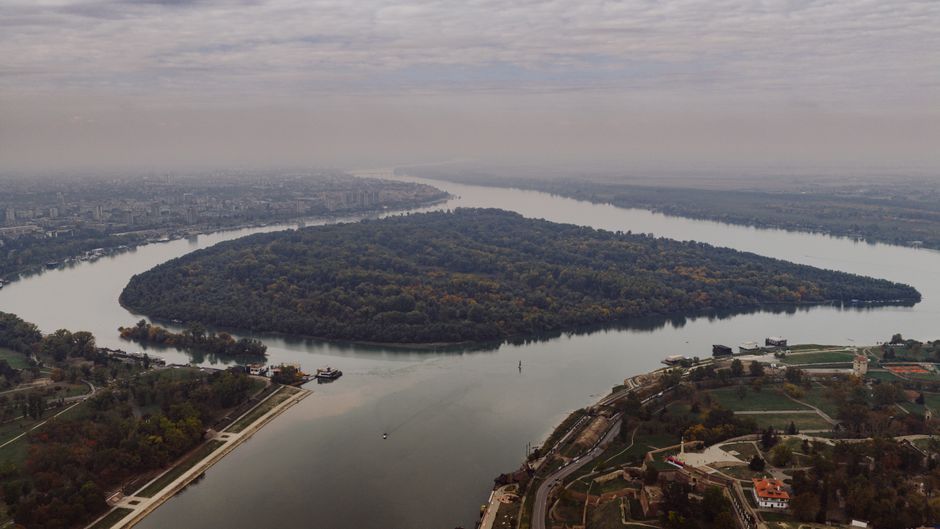
Zagreb → Belgrade → Sarajevo → Kotor → Tirana → Ohrid → Skopje → Sofia. Roughly three weeks at a comfortable pace, entirely within the cheapest tier, with bus legs of 10 to 25 euros between capitals. Daily budgets of 40 euros are realistic including private rooms rather than dorms.
This is the single best value route in Europe and it is not a consolation prize — the Bay of Kotor, Ohrid, and the Bosnian mountains hold up against anything further west.
The Central Europe loop
Berlin → Kraków → Budapest → Vienna → Prague. Ten days to two weeks. Middle tier, excellent rail and bus connections, and short legs — most under six hours. Vienna is the expensive outlier and is worth limiting to two nights.
The Iberian line
Lisbon → Porto → Salamanca → Madrid → Valencia → Barcelona, or the reverse. Portugal is the cheap end, so starting there and finishing in Barcelona means costs rise as you go, which is easier to manage than the reverse.
Fly open-jaw
Book into one end of the corridor and out of the other. Returning to your arrival city to fly home costs a long backtrack in both time and money, and open-jaw tickets are usually priced similarly to returns. This one change frequently saves two days and 80 euros.
Which legs to do overnight
An overnight leg saves a night's accommodation, which on a long journey makes it close to free transport.
| Leg | Duration | Worth overnight? |
|---|---|---|
| Belgrade–Sofia bus | ~9h | Yes |
| Budapest–Kraków train | ~10h | Yes |
| Vienna–Venice night train | ~11h | Yes |
| Zagreb–Belgrade | ~6h | No, do it in daylight |
| Tirana–Ohrid | ~4h | No |
Below roughly six hours the sleep is bad enough that you lose the following day, which cancels the saving.
Book transport early, accommodation late
These behave differently and it is worth treating them differently.
Transport prices in Europe move enormously with booking date. German, Italian, Spanish and Austrian advance rail fares run 50 to 70 percent below walk-up. Buses vary less but still reward booking a week or two out. Committing to dates is where the money is.
Accommodation prices move far less, particularly hostels outside peak season. So keep that flexible. The practical benefit is that when a place turns out to be better than expected — which in the Balkans happens often — you can stay another three nights without forfeiting anything.
The Schengen clock as a routing tool
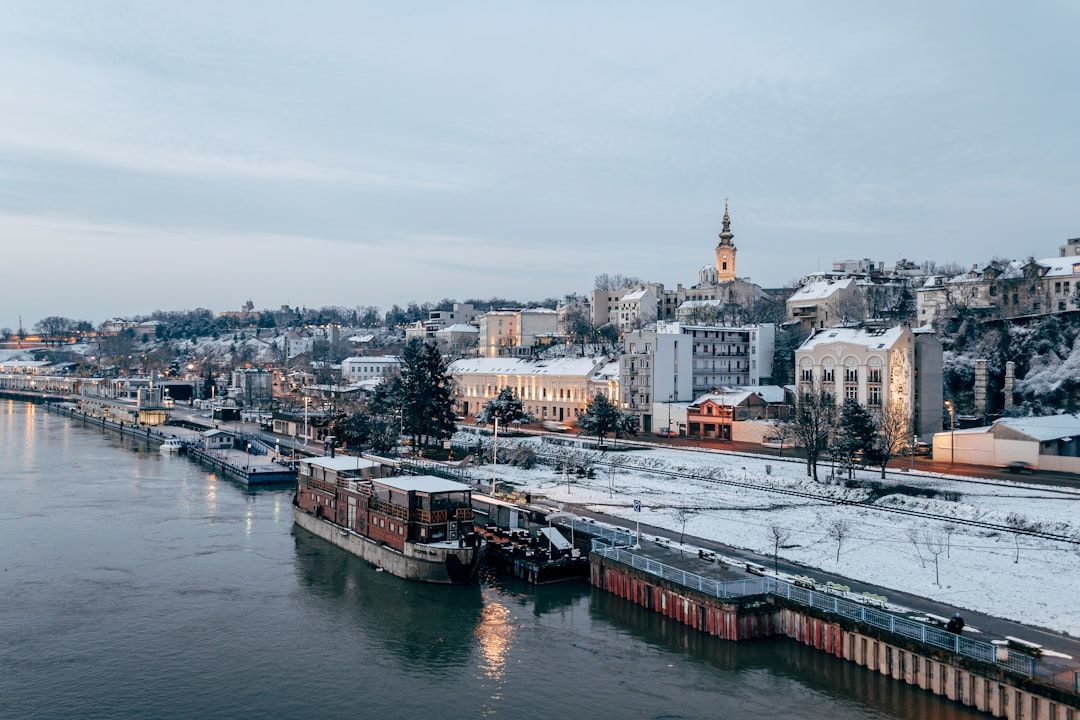
Non-EU travellers get 90 days per rolling 180 in Schengen. Several of the cheapest countries — Albania, Bosnia, North Macedonia, Serbia, Montenegro — sit outside it. So a Balkan-weighted route both costs less and consumes less of your Schengen allowance, which for anyone planning a long trip is a genuine structural advantage rather than a technicality.
The general rule
Pick two adjacent countries in a cheap tier and go deep rather than five countries across three tiers and go shallow. It costs less, the travel days stop dominating the trip, and it is a better trip on its own terms.
Frequently asked questions
How should I plan a budget route through Europe?
Group destinations geographically so transport legs stay short, and cluster your time in the cheaper price tiers. A route that zigzags between Western capitals burns money on both transport and accommodation, while a corridor route through the Balkans or Central Europe keeps both low. Fly into one end and out of the other rather than returning to your arrival city.
What is the cheapest region to backpack in Europe?
The Balkan corridor — Albania, North Macedonia, Bosnia, Serbia, Montenegro and Bulgaria — where daily budgets of 35 to 50 euros are realistic and buses between capitals cost 10 to 25 euros. It is also the region where a private room costs about what a Western European dorm bed does.
Are overnight buses and trains worth it for budget travel?
On legs of eight hours or more, yes, because you save a night of accommodation while covering ground. Night trains in Central Europe and overnight buses in the Balkans are the two clearest cases. Below about six hours the sleep quality is poor enough that it is usually a false economy.
Should I book a European route in advance or improvise?
Book transport in advance and accommodation loosely. Advance rail and bus tickets in Europe are often 50 to 70 percent cheaper than walk-up fares, so the savings from committing to dates are large. Accommodation prices move far less, so keeping flexibility there costs little and preserves the ability to stay somewhere longer if you like it.
Budget Routes Editorial
50+ destinations reviewed
The Budget Routes editorial team covers Budget Travel Routes with firsthand experience and honest recommendations.