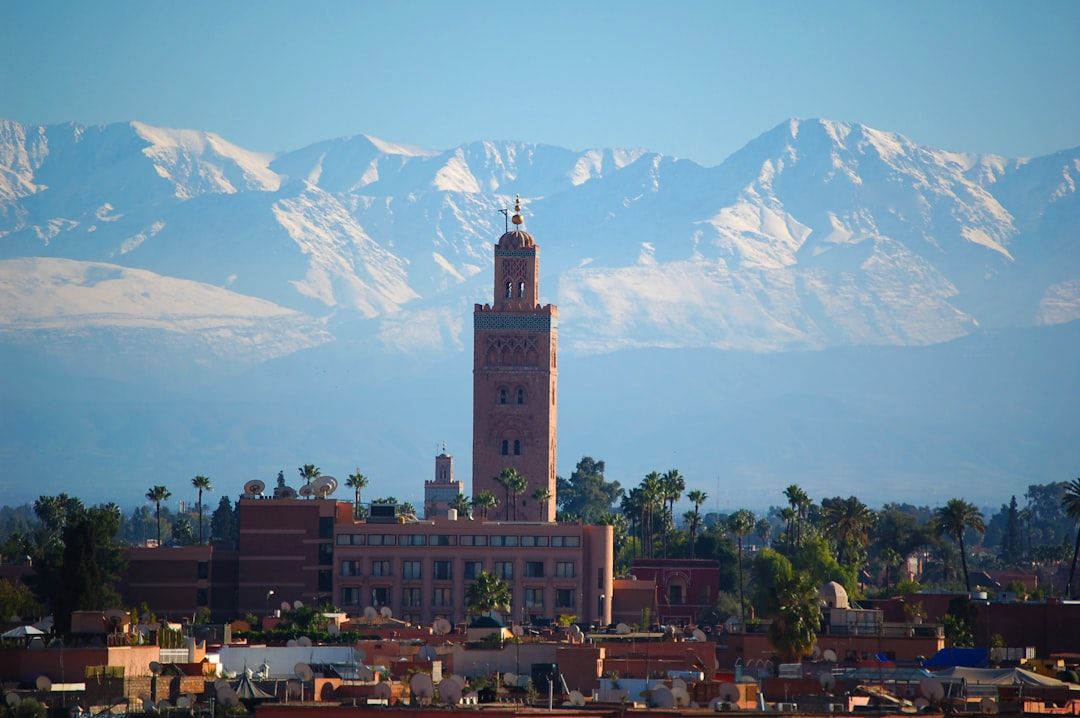
Morocco on a Budget: Trains, Grand Taxis and the Sahara Trip
Morocco's north is well connected by cheap trains and its south is not, which is where budgets go wrong on the desert excursion.
Budget Routes Editorial
August 15, 2026 · 3 min read
Key takeaways
- Morocco is cheap to travel and easy to overspend in, because the two things that cost most — the desert trip and the souk purchases — are both negotiated rather than fixed.
- This is the largest single line in most Morocco budgets and the most variable.
- Riads — traditional courtyard houses converted to guesthouses — are the reason to visit Morocco and are not expensive.
- Casablanca → Marrakech: 3h — €10–18.
- Rabat → Marrakech: 4h — €12–20.
Morocco is cheap to travel and easy to overspend in, because the two things that cost most — the desert trip and the souk purchases — are both negotiated rather than fixed. The transport, by contrast, is inexpensive and better than most people expect.
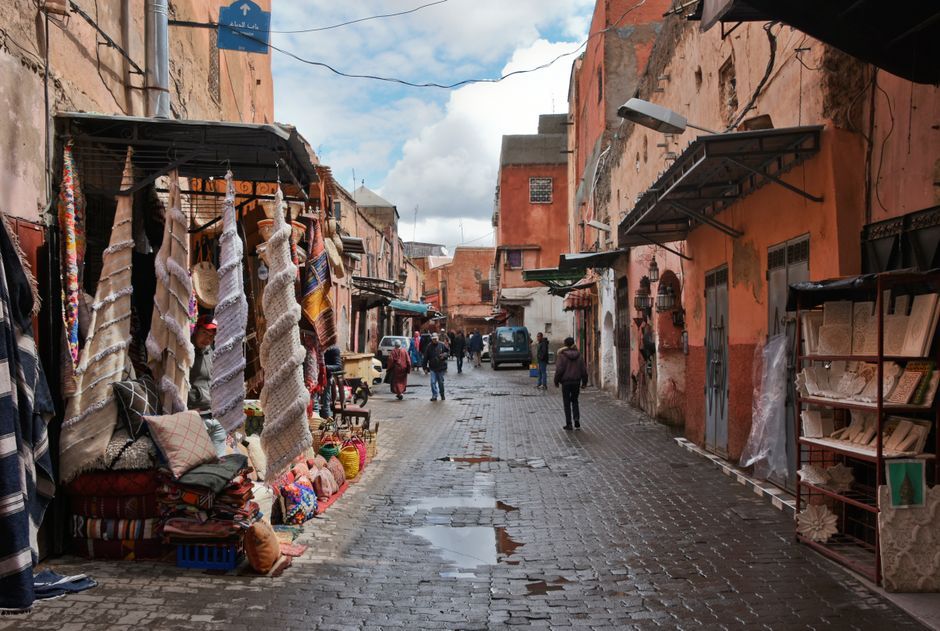
The train network is the cheap backbone
Northern Morocco has a genuinely good railway.
| Route | Time | Cost |
|---|---|---|
| Tangier → Casablanca (Al Boraq) | 2h10 | €20–30 |
| Casablanca → Marrakech | 3h | €10–18 |
| Casablanca → Fes | 3h30 | €12–20 |
| Rabat → Marrakech | 4h | €12–20 |
Second class is comfortable and fine; first class buys a reserved seat and air conditioning that works harder, for a few euros more.
South and east of Marrakech there is no railway. That is where the budget changes: Essaouira, Chefchaouen, the Atlas and the desert are reached by bus (CTM and Supratours are the reliable companies) or grand taxi.
Grand taxis are shared Mercedes running fixed routes, leaving when full with six passengers. Cheap, fast, cramped. You can buy two seats for comfort, which is what most foreigners do.
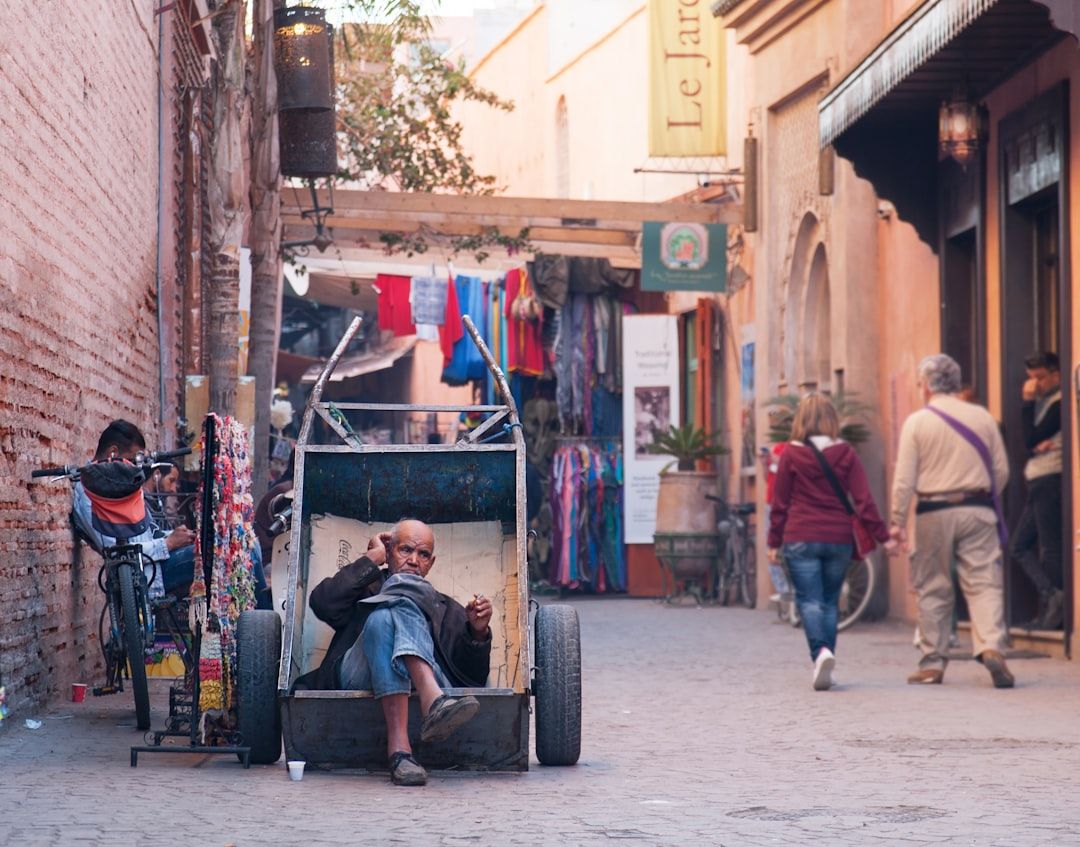
The Sahara trip, priced honestly
This is the largest single line in most Morocco budgets and the most variable.
A three-day Marrakech to Merzouga trip, including transport, one night in a desert camp, meals and a camel ride, runs €80–150 per person in a shared group.
Below that price you are usually buying a larger group and a more rushed schedule — and the drive each way is long regardless, roughly ten hours through the Atlas. The three-day version with two nights is the minimum that gives you meaningful time in the dunes; two-day versions are almost entirely driving.
Merzouga has larger dunes than Zagora and is the better destination if you are choosing.
Where to sleep
| Type | Cost (double) |
|---|---|
| Hostel dorm | €8–15 |
| Riad, simple | €25–50 |
| Riad, nicer | €60–100 |
| Desert camp (in tour) | included |
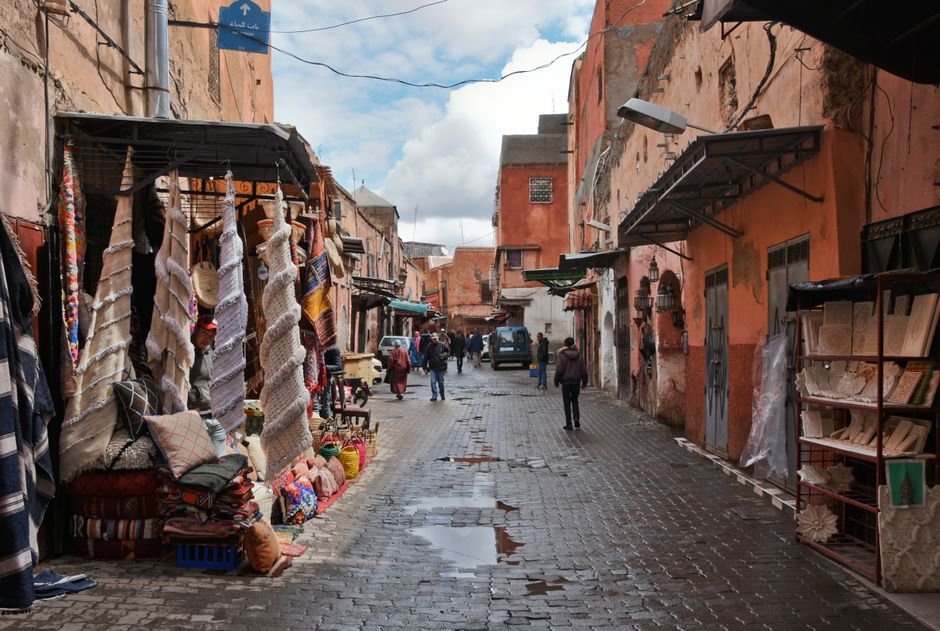
Riads — traditional courtyard houses converted to guesthouses — are the reason to visit Morocco and are not expensive. Breakfast on a roof terrace is usually included, and the cool interior courtyard is genuinely welcome in summer.
Note that riads are inside the medina, where cars cannot go. Arriving with luggage means a walk through narrow lanes, and most riads will send someone to meet you at a gate if you ask.
Money and haggling
Haggling applies in souks and unmetered taxis. It does not apply in supermarkets, cafés, train stations or fixed-price cooperatives.
The practical method: open at roughly a third of the first quoted price, expect to settle near half, and treat walking away as part of the process rather than an insult. If the seller lets you go, the price was near the floor.
In taxis, insist on the meter in cities where they exist, or agree the fare before getting in.
Unofficial guides in Fes and Marrakech medinas will attach themselves and expect payment. A firm, polite refusal at the outset is easier than an argument later.
When to go
March to May and September to November. Summer inland is severe — Marrakech and the desert regularly exceed 40°C, and Fes is not much better. Winter is pleasant on the coast and in Marrakech, and genuinely cold in the Atlas and at desert night, where temperatures drop close to freezing.
Ramadan changes the rhythm considerably: many restaurants close during daylight and the pace shifts to the evening. Travel is entirely possible, and the evenings are memorable, but plan around it rather than into it.
Frequently asked questions
How much does Morocco cost per day on a budget?
Roughly 30 to 45 euros a day covering a riad or guesthouse room, meals and transport. Riads with breakfast run 25 to 50 euros for a double, a tagine in a local restaurant 40 to 70 dirhams, and trains between the major northern cities 10 to 25 euros. The Sahara excursion is a separate line item at 80 to 150 euros for three days.
What should a Sahara desert tour cost?
A three-day trip from Marrakech to Merzouga including transport, one night in a desert camp, meals and a camel ride typically runs 80 to 150 euros per person for a shared group tour. Prices well below that usually mean a very large group and a rushed schedule; the cheapest tours spend most of the time in a minibus.
Are Moroccan trains good?
The northern network is genuinely good — Tangier, Rabat, Casablanca, Fes and Marrakech are all connected with comfortable, punctual services, and the Al Boraq high-speed line runs Tangier to Casablanca in just over two hours. South and east of Marrakech there is no railway, so buses and grand taxis take over.
How does haggling work in Morocco?
It applies in souks and for taxis without meters, not in supermarkets, cafés or train stations. Open at roughly a third of the first quoted price and expect to settle somewhere near half. Walking away is a normal part of the process rather than a rejection. Fixed-price cooperatives and government-run artisan shops exist if you would rather not.
Budget Routes Editorial
50+ destinations reviewed
The Budget Routes editorial team covers Budget Travel Routes with firsthand experience and honest recommendations.