
Vietnam North to South: The Overnight Legs Worth Taking
Vietnam's geography does most of the route planning for you. The country is 1,650 kilometres long and barely 50 wide at its narrowest, with one railway and one highway running the length of it. The only real decisions are where to stop and which overnight legs to take by which mode.
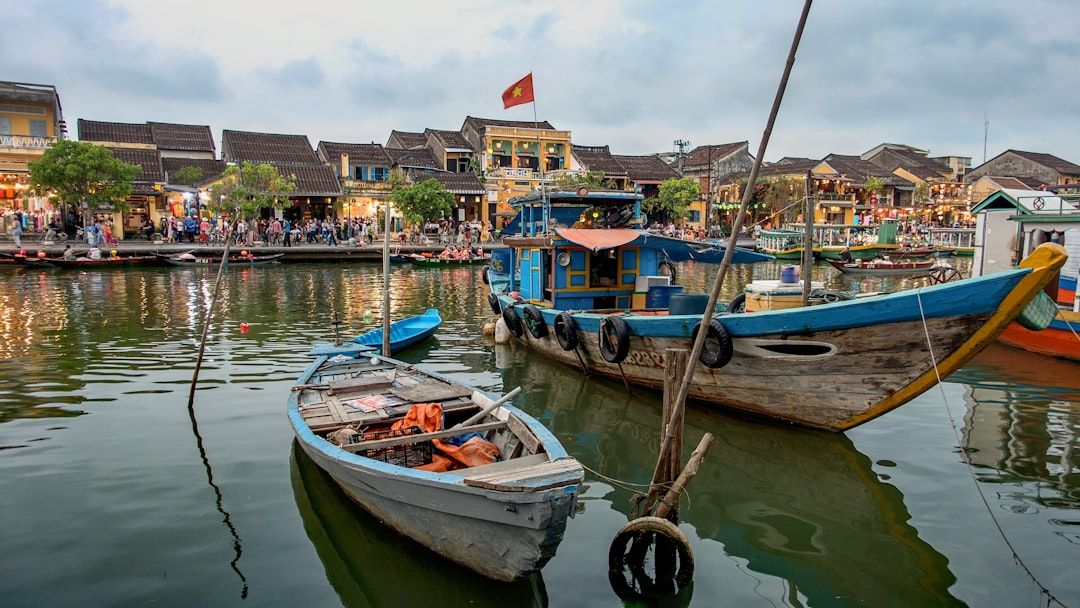
The corridor
Hanoi → Ninh Binh → Hue → Hoi An / Da Nang → Nha Trang → Da Lat → Ho Chi Minh City. Add Sapa as a detour from Hanoi and the Mekong Delta as one from Ho Chi Minh City.
Direction depends on season. December to February the north is genuinely cold and drizzly while the south stays warm, so run north to south. May to August the south is in its wet season and the north is pleasant, so run south to north. Flying into one end and out of the other is essential either way — backtracking the length of Vietnam is a wasted day and an unnecessary fare.
The legs
| Leg | Best mode | Time | Cost |
|---|---|---|---|
| Hanoi → Ninh Binh | Train (day) | 2.5h | ~70,000₫ |
| Hanoi → Hue | Train, soft sleeper (overnight) | ~13h | 600,000–900,000₫ |
| Hue → Da Nang / Hoi An | Train (day, scenic) | 3h | 100,000–150,000₫ |
| Da Nang → Nha Trang | Train, sleeper (overnight) | ~10h | 500,000–800,000₫ |
| Nha Trang → Da Lat | Sleeper bus | 4h | ~200,000₫ |
| Da Lat → Ho Chi Minh City | Sleeper bus (overnight) | ~7h | 250,000–350,000₫ |
Train or sleeper bus
Both exist on most of this corridor and they are not equivalent.
The train is more comfortable, considerably safer, and has actual bunks in a four-berth soft sleeper compartment. It is the right choice for the long coastal legs.
The sleeper bus is cheaper and goes places the railway does not — most importantly Da Lat, which is inland and off the line. Vietnamese sleeper buses have fully reclining pods rather than seats, which is better than it sounds, though they are built for a shorter average passenger and anyone over about 180cm will be folded. Road safety is the real concern; these buses drive fast at night.
The compromise most people land on: train for the long coastal overnight legs, sleeper bus only where the train does not go.
The one leg not to skip
Hue to Da Nang, in daylight, by train. Three hours, about 120,000 dong, and it runs along the Hai Van Pass with the South China Sea directly below the window. It is the best scenic transport in the country and costs less than a sandwich at home. Sit on the right-hand side heading south.
Many people take a bus or a car through the tunnel instead and miss it entirely. Do not.

Where flying makes sense
One leg, usually. Hanoi to Da Nang or Nha Trang to Ho Chi Minh City by air costs around 600,000 to 1,200,000 dong booked ahead and saves a full overnight. On a two-week trip, flying one long leg is what makes the rest unhurried. On three weeks you can do it all overland comfortably.
Daily budget
Vietnam is among the cheapest countries on this route in Asia: 600,000 to 1,000,000 dong a day, roughly 24 to 40 dollars, covering a good private room at 300,000 to 500,000, excellent street food at 40,000 to 70,000 per meal, and local transport.
Private rooms rather than dorms are the norm here because they cost so little, which is a real quality-of-life difference compared to backpacking in Europe on the same budget.