Romania on a Budget: Transylvania, Trains and the Carpathians
Romania is the size of the UK with a fraction of the transport speed, so the useful budget decision is to pick Transylvania and do it properly rather than attempting the whole country. The circuit is compact, the towns are close together, and it is among the cheapest travel in the EU.
The Transylvania circuit
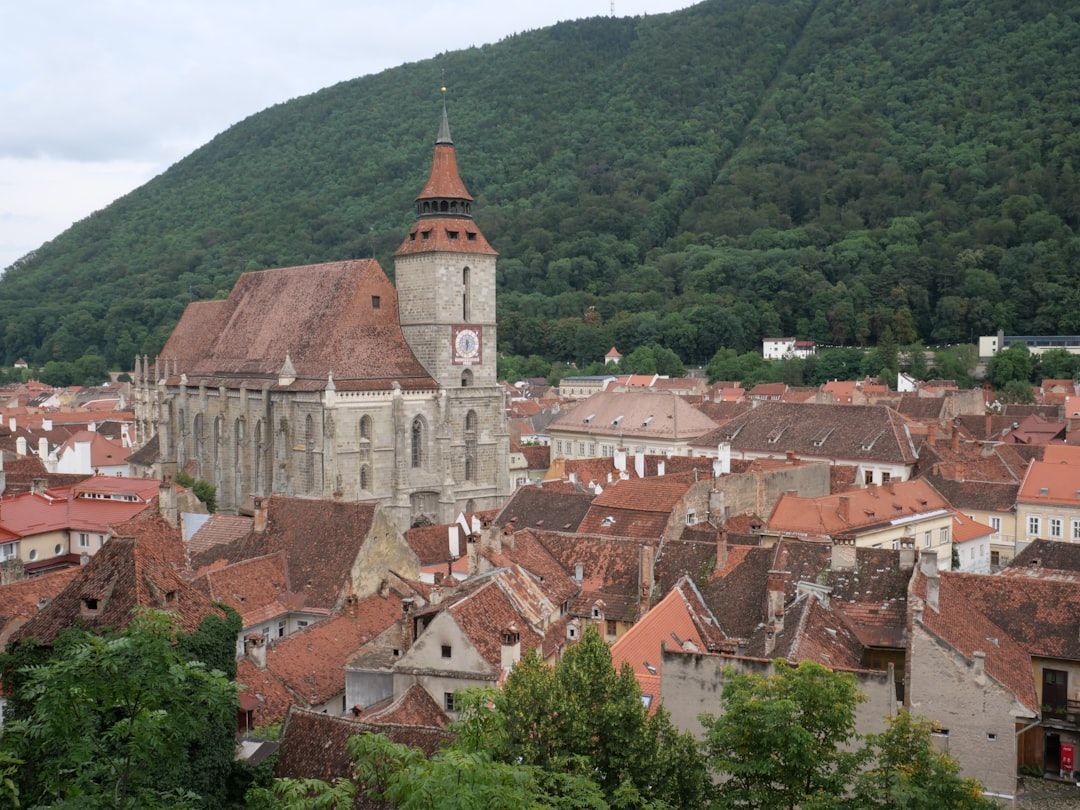
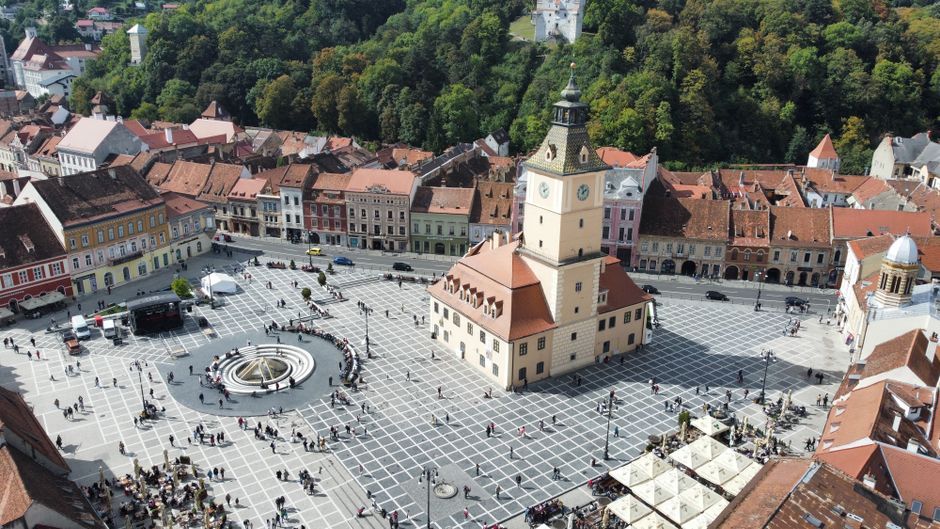
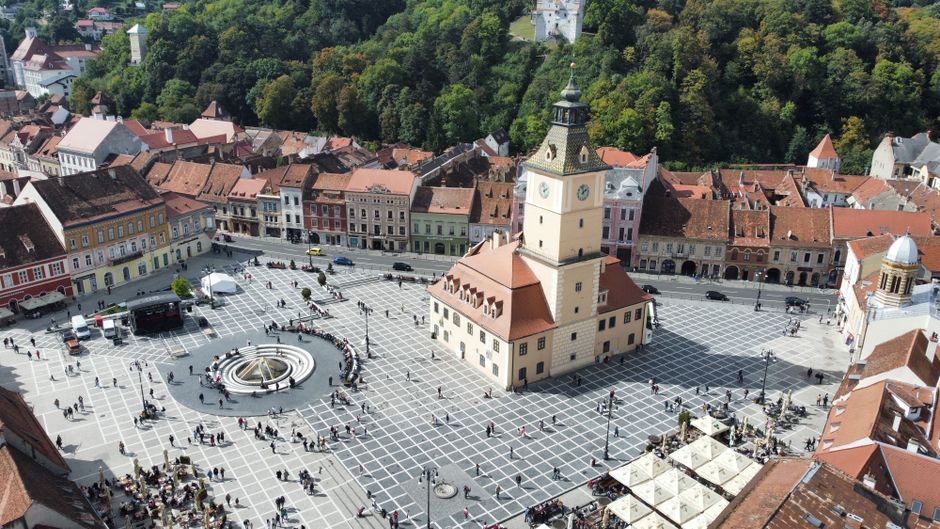
Brașov — the natural base. A Saxon town with a large square, the Black Church, and a mountain rising directly behind it with a cable car to the top. Two to three days.
From here, Bran Castle is 45 minutes by bus. It is marketed on a Dracula association that is historically thin, and it is busy — go early, and treat it as a pleasant castle rather than a pilgrimage.
Râșnov fortress nearby is quieter and better value.
Sighișoara — a walled medieval citadel two hours north, small enough to see in a day and lovely to stay in overnight once the coaches leave.
Sibiu — arguably the prettiest Romanian city, with the distinctive eyelid dormers watching from the rooftops. Two days.
Cluj-Napoca — the student city, with the best food and nightlife in the country outside Bucharest, and prices to match its student population.
The Transfăgărășan road — open roughly July to October, a mountain pass that is genuinely spectacular and requires a car or an organised trip.
Costs
| Item | Cost |
|---|---|
| Hostel dorm | €10–18 |
| Guesthouse private room | €25–45 |
| Restaurant meal | €7–14 |
| Train, Bucharest–Brașov | €8–14 |
| Castle or museum entry | €4–10 |
A daily budget of €35–55 covers private rooms and eating out. Guesthouses — pensiuni — are the accommodation to look for: family-run, often including a substantial breakfast, and cheaper than hostels once two people share.
Transport
Trains are slow but comfortable and the Bucharest to Brașov line through the Carpathians is genuinely scenic. Book on the national railway site; fares are low and reservations are included on intercity services.
Maxi-taxi minibuses are faster on many routes and leave more frequently, at the cost of comfort. They are how Romanians actually travel between towns.
A rental car becomes worth it for the Transfăgărășan, the painted monasteries of Bucovina and the Maramureș wooden churches — all of which are difficult to reach otherwise and are among the best things in the country.
Bucharest
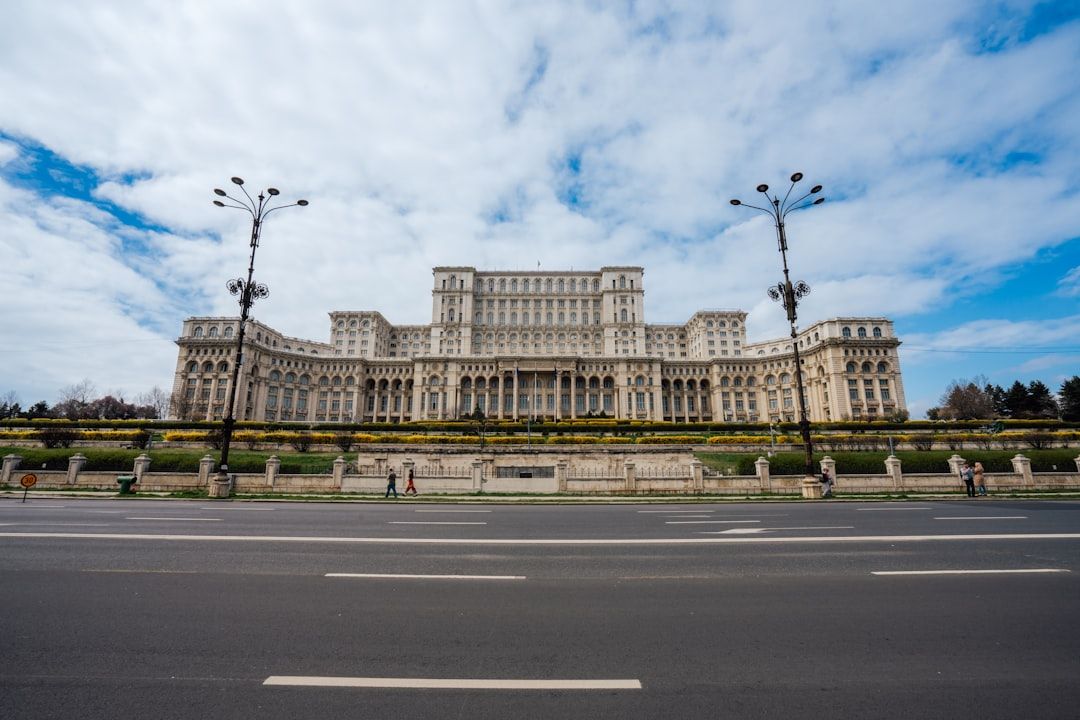
Worth a day or two rather than a week. The Palace of the Parliament is the second largest administrative building in the world, built by Ceaușescu at enormous human cost, and the tour is genuinely worth doing.
The old town is dense with cheap restaurants and bars. Beyond that, Bucharest is a working city rather than a sightseeing one, and most travellers use it as the arrival airport and move on.
Practical
Currency is the leu, not the euro, at roughly 5 to the euro. Cards are widely accepted in cities.
Stray dogs remain a feature in some towns and rural areas. They are usually harmless but worth not approaching.
Distances deceive. Romania is large and the mountain roads are slow. Four towns in a week is comfortable; eight is a bus timetable.
When to go
May, June and September are ideal. July and August are hot and busier, though still cheap. Winter is very cheap and the Carpathian ski resorts — Poiana Brașov, Sinaia — cost a fraction of Alpine equivalents, with the caveat that the Transfăgărășan and many mountain roads are closed.