Cambodia on a Budget: Angkor Passes, Buses and Real Costs
Cambodia is among the cheapest countries in Southeast Asia to travel, with one large exception: the Angkor pass, which is a fixed cost that dwarfs several days of ordinary spending. Planning around it is most of the budget work.
The Angkor pass
| Pass | Price | Validity window |
|---|---|---|
| 1 day | $37 | Single day |
| 3 days | $62 | Any 3 days within 10 |
| 7 days | $72 | Any 7 days within 30 |
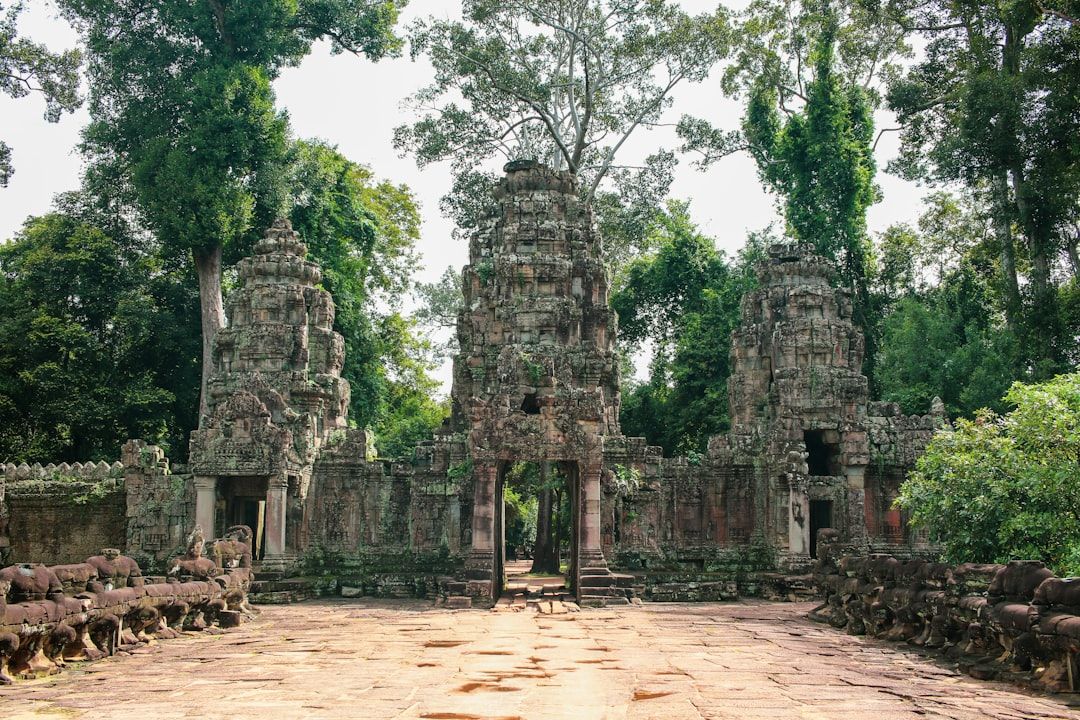
The three-day pass is the right answer for most people. One day means choosing between Angkor Wat, Bayon and Ta Prohm and rushing all three. Seven days is more temple than most travellers want, though it is remarkable value if you do.
Crucially, the days need not be consecutive — a three-day pass is valid across a ten-day window, so you can alternate temple days with rest days, which in the heat is the sensible pattern.
Buy at the official ticket office; passes are photo-linked and non-transferable. Sunrise at Angkor Wat is genuinely crowded — Bayon or Ta Prohm early in the morning are quieter and, for many people, better.
Budget $15–25 a day for a tuk-tuk driver for the temple circuits. Hiring the same driver across your days works well and they will pace the route sensibly.
Daily costs
| Item | Cost |
|---|---|
| Hostel dorm | $4–8 |
| Private room with AC | $12–25 |
| Local meal | $2–4 |
| Restaurant meal | $5–10 |
| Beer | $0.50–2 |
| Bus, Siem Reap–Phnom Penh | $10–20 |
Excluding the Angkor pass, $25–35 a day is comfortable including a private air-conditioned room.
The dollar economy
Cambodia runs on US dollars in practice. Prices are quoted in dollars, ATMs dispense dollars, and change under a dollar comes in riel at roughly 4,000 to the dollar.
Two practical points: bring clean notes, because torn or heavily marked dollars are routinely refused, and carry small denominations, since change for a fifty can be hard to find outside the cities.
ATM withdrawal fees are typically $4–6 per transaction, so withdraw larger amounts less often.
The route
Siem Reap for Angkor — three to five days including rest days.
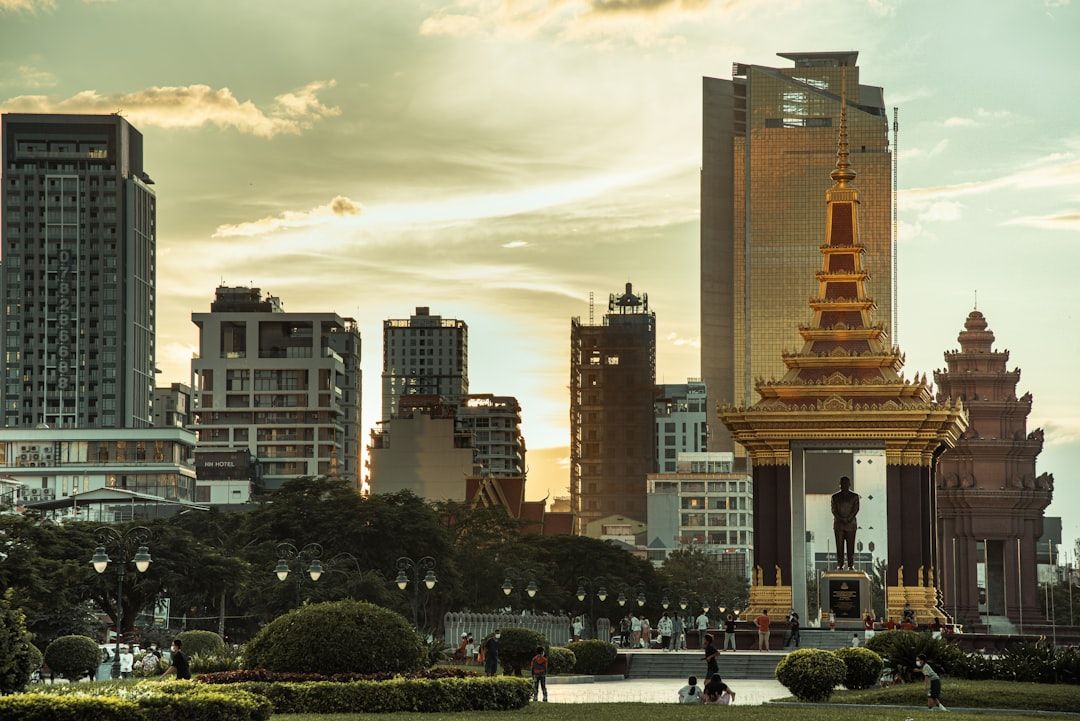
Phnom Penh — six to seven hours by bus. The Royal Palace and the National Museum, and the Tuol Sleng genocide museum and Choeung Ek killing fields, which are essential and extremely difficult. Two to three days.
Battambang — quieter, with the bamboo railway and a good countryside cycling scene. Underrated and cheap.
Kampot and Kep — riverside and coastal, relaxed, and the pepper farms are genuinely interesting.
Koh Rong and Koh Rong Sanloem — islands off Sihanoukville. Sanloem is the quieter of the two. Sihanoukville itself has changed enormously with casino development and is generally skipped now.
Buses and borders
Take the better bus companies — Giant Ibis and Mekong Express — which cost a few dollars more than the cheapest operators and are considerably safer and more reliable on the long routes.
At land borders, the Cambodian visa on arrival is $30 official, in clean dollars, with a passport photo. Expect a small unofficial surcharge; it is universal and not worth a confrontation. The Poipet crossing to Thailand is the most scam-prone in the region — there is no fee to leave Cambodia and no legitimate "consulate" before the border selling visas.
When to go
November to February is dry and cooler and the best window. March to May is very hot, over 35°C, which makes full days at the temples genuinely hard. June to October is the wet season, with heavy afternoon rain, greener landscapes, fuller moats around the temples and noticeably lower prices.